
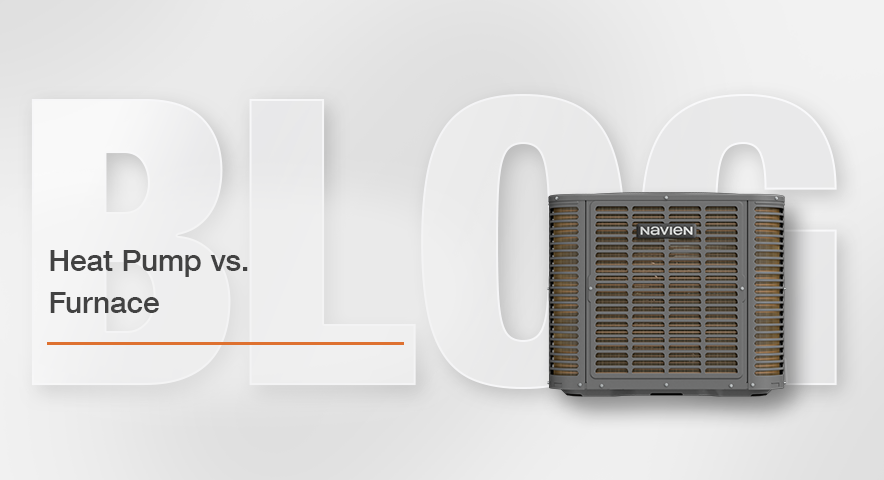
Choosing between a heat pump and a furnace is a choice between two distinct methods of moving thermal energy to keep your home comfortable. In winter, each one handles heat differently: a furnace generates heat by burning fuel (natural gas or liquid propane), while a heat pump absorbs heat from the outside air increases its temperature and transfers that heat into your home. In the summer, a heat pump expels indoor heat to keep your home cool. Both are excellent choices for modern homes, but local climate, energy costs, regulations, and existing infrastructure often determine which appliance is the ideal solution for your long-term comfort.
What’s the difference between a heat pump and a furnace?
The main difference between a heat pump and a furnace is that a heat pump is a year-round heating and cooling system, and a furnace is a dedicated heating unit. Because a heat pump uses electricity to move heat rather than burning fuel to create it, heat pumps can reach energy efficiency levels beyond what a traditional furnace can achieve.
A condensing gas furnace, like our NPF Hydro-furnace, generates high-intensity heat by burning gas within a sealed combustion heat exchanger (ideal for quickly meeting heating demand in a severe cold snap). Heat is then transferred to the airstream through a hydronic coil. This innovative design keeps the combustion process entirely separate from the air you breathe, preventing the “scorched air” effect often associated with older designs of gas furnaces.
Is a heat pump more efficient than a gas furnace?
Heat pumps are often more efficient because they transfer existing heat energy rather than generating it. While a high-efficiency furnace like the NPF Series achieves an impressive 97% AFUE (meaning 97 cents of every dollar spent on gas goes directly into heating your home), a heat pump can deliver more heating energy than the electrical energy it consumes.
A simple way to think about efficiency:
- Condensing gas hydro-furnace (NPF Series): For every $1.00 you spend on gas, about $0.97 is successfully converted into heat for your home. This is top-tier performance for fuel combustion.
- Heat pump (NAZ-17 Series): For every $1.00 you spend on electricity, you can get the equivalent of $3.00 or $4.00 worth of heat moved into your home.
Here’s why: Certain heat pumps use an inverter-driven compressor to circulate refrigerant that absorbs heat from the outdoor air (even when it feels cold to us) uses the compressor to increase the quality (temperature) of the heat and pumps it indoors. This allows a heat pump to reach electrical efficiency levels well over 300%, whereas a furnace is physically limited to a maximum of 100% efficiency.
Here’s the catch: As it gets extremely cold outside (near or below zero), there is less heat available in the air for the heat pump to collect, which means the system has to work harder (so that $1.00 of electricity might only return $2.00 of heat). This is why many homeowners in colder regions choose a dual-fuel setup, using the NAZ heat pump for its massive efficiency on chilly days, and the NPF hydro-furnace for its raw heating power during a deep freeze.
Modern inverter technology found in our NAZ Series allows these heat pumps to perform effectively in temperatures as low as -4°F (-20°C), making them a reliable heating option even in many northern climates.
| Feature | NPF Hydro-furnace | NAZ Heat Pump |
| Energy Source | Natural gas or propane | Electricity |
| Primary Function | Dedicated heating | Heating & cooling |
| Efficiency Rating | 97% AFUE | Up to 19.5 SEER2 / 9.3 HSPF2 |
| Sound Level | Ultra-quiet isolated combustion | As low as dBA (equivalent to a refrigerator running) |
| Best Climate | Cold to extreme cold | Moderate cold to cold |
Can a heat pump replace a furnace?
A heat pump can absolutely replace a furnace, especially if your home currently uses an aging air conditioner and a separate furnace. By installing a system like the NAZ heat pump matched with an NAS air handler, you get a streamlined solution for year-round comfort. This is often the most cost-effective path for new builds or for homeowners looking to move toward an all-electric home.
If your home already has a natural gas connection, you don't necessarily have to choose between a heat pump and a furnace. Replacing your old AC unit with a heat pump and keeping your high-efficiency furnace creates a dual-fuel system. This setup allows the heat pump to handle typical cold days with extreme energy efficiency, while the furnace provides a powerful heating boost when the deep winter freeze sets in.
Which is cheaper to run: a heat pump or gas furnace?
Operating costs for a heat pump or a gas furnace are determined by the balance between local electricity rates and gas prices, which vary by region, season, and time of day. Generally, a heat pump is cheaper to run in moderate climates because it uses very little electricity to maintain a comfortable indoor temperature. In regions with very cold winters, a gas furnace may be more economical for generating the high-intensity heat required to keep a home warm during prolonged freezes such as a “Polar Vortex” weather event.
Pros and cons of a heat pump vs. a furnace
Every home has unique heating and cooling needs, but these general guidelines can help you weigh your options.
Heat pump pros:
- Double duty: One unit provides both heating and air conditioning.
- Environmentally friendly: No gas combustion means a lower carbon footprint and fewer combustion-related safety considerations.
- Extremely energy efficient: Collects heat energy, increases its temperature, and transfers heat rather than generating it, which can significantly reduce energy use in moderate climates.
Heat pump considerations:
- Higher upfront installation investment compared to replacing an existing furnace.
- Lower heat output in extreme cold climates, which may require a supplemental heat source in some regions.
- Service life of 10–15 years, which is typically shorter than many newer furnaces.
Furnace pros:
- High-intensity heat: Ideal for quickly warming a home during extreme temperature drops.
- Lower upfront cost: Typically less expensive to install if you already have existing gas lines and venting.
- Long lifespan: With proper maintenance, the NPF hydro-furnace has a service life of 15-20 years.
Furnace considerations:
- Uses more energy to generate heat compared to heat transfer systems like heat pumps.
- Heating-only system, requiring a separate air conditioner for cooling.
The right choice ultimately depends on your climate, energy costs, budget, energy priorities, and whether you’re looking for an all-in-one system or a dedicated heating solution.
Optimizing your home for year-round comfort
Choosing between a heat pump or a furnace for your home requires looking at your current setup and energy goals. If you live in an area with four distinct seasons, a dual-fuel HVAC system combining an NAZ Heat Pump with an NPF Hydro-furnace offers the most flexible comfort solution. This pairing gives you the best of both worlds by automatically switching between energy sources based on outdoor conditions or energy costs, ensuring you always use the most efficient method to stay comfortable while protecting your utility budget.
Heat pump vs furnace FAQ
Navien offers high-efficiency HVAC solutions for both electric and gas systems, providing reliable home comfort for any region or setup.
Do I need a furnace if I have a heat pump?
You do not necessarily need a furnace, as modern heat pumps can provide all the heat you need in many climates, but a furnace can act as a powerful backup in extremely cold regions.
Is it hard to replace a gas furnace with a heat pump?
It’s a straightforward process for a qualified professional, though it may require updating your electrical panel or adding an indoor air handler if you are removing the furnace entirely.
How long do heat pumps and furnaces last?
Registered Navien furnaces and heat pumps both offer robust 10-year parts warranties, with our NPF hydro-furnaces featuring a lifetime warranty on the combustion heat exchanger for the original owner.
How much maintenance does a heat pump or furnace need?
Both a heat pump and a gas furnace require annual professional maintenance for safety and optimal efficiency, including cleaning the coils for the NAZ heat pump, cleaning or replacing the circulating air filter, and analyzing the combustion and water level for the NPF hydro-furnace.
Find a qualified local contractor using Navien’s installer and service locator.


